Train Stations as Cultural Hubs – Experience City Life from the Platform


Train Stations as Cultural Hubs – Experience City Life from the Platform
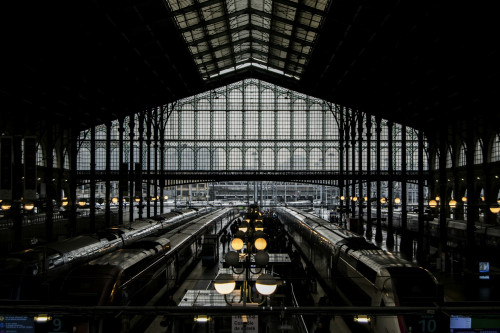
Train stations are far more than gateways for travelers. They are meeting points, architectural landmarks, and reflections of the cities they serve. Across the United States, stations are being reimagined as vibrant cultural spaces—places where history, design, and daily life intersect. From coast to coast, these hubs are becoming destinations in their own right, inviting visitors to experience the pulse of urban life right from the platform.
From Transit Points to Urban Experiences
For much of the 20th century, American train stations were seen primarily as functional spaces—places to pass through on the way to somewhere else. But as cities invest in revitalizing their downtowns and expanding public transit, stations are once again being designed as places to linger, explore, and connect.
Take New York’s Moynihan Train Hall, for example. Once a post office, it has been transformed into a light-filled concourse that celebrates both travel and architecture. With art installations, cafés, and open public areas, it’s a space that encourages people to slow down and enjoy the journey. Similarly, Denver Union Station has become a model for urban renewal: a historic terminal reborn as a lively gathering place filled with restaurants, shops, and a boutique hotel. It’s not just a stop on the way—it’s a destination.
Architecture That Tells a Story
Train stations have always mirrored the ambitions of their time. The grand halls of Washington, D.C.’s Union Station and Los Angeles Union Station speak to an era when rail travel symbolized progress and national unity. Their soaring ceilings, marble floors, and intricate details still inspire awe today.
Modern station design, however, is embracing openness, sustainability, and community. Projects like San Francisco’s Salesforce Transit Center combine transportation with green space, art, and public amenities. Its rooftop park offers a rare oasis in the heart of the city, showing how a transit hub can double as a civic landmark. These new designs reflect a shift in thinking: stations are no longer barriers between neighborhoods but bridges that connect them.
Læs også:



The Station as a Cultural Stage
More and more, train stations are being used as venues for cultural expression. In Chicago’s Union Station, pop-up markets, art exhibits, and seasonal events bring new life to the historic space. In Philadelphia’s 30th Street Station, travelers encounter rotating art installations that celebrate local creativity. These initiatives transform the daily commute into an encounter with culture.
Even smaller stations are finding ways to serve their communities. In towns across the Midwest and the South, restored depots host farmers’ markets, concerts, and community gatherings. They remind us that the station has always been a place where people come together—whether to travel, trade, or simply connect.
A Crossroads of Urban Life
Walk through any major station, and you’ll see a living portrait of the city: commuters rushing to work, tourists studying maps, families reuniting, and students with coffee in hand. Stations capture the diversity and rhythm of urban life in a single space. They are microcosms of the city—places where stories intersect and movement never stops.
Urban planners increasingly view these hubs as key to creating more livable, connected cities. By blending transportation, commerce, and culture, stations can anchor neighborhoods and foster a sense of place. They are not just points of departure but centers of community.
The Future of American Stations
As the U.S. invests in high-speed rail and sustainable transit, train stations are poised to play an even greater role in shaping the cities of tomorrow. Future projects aim to combine efficiency with experience—designing stations that are both environmentally responsible and deeply human.
The station of the future will be more than a stop along the way. It will be a space where travel, culture, and city life converge—a place to begin a journey, but also to feel the heartbeat of the city itself.
Læs også: