Combine Trains and Other Transportation Options – Travel More Sustainably and Efficiently

Combine Trains and Other Transportation Options – Travel More Sustainably and Efficiently
Traveling by train is one of the most climate-friendly ways to get around—but that doesn’t mean you have to give up your car completely or stop flying altogether. By combining trains with other transportation options, you can create trips that are flexible, efficient, and far more sustainable than traditional travel habits. Here’s how you can plan smarter journeys—both for your daily commute and your next vacation.
Why Combine Transportation Options?
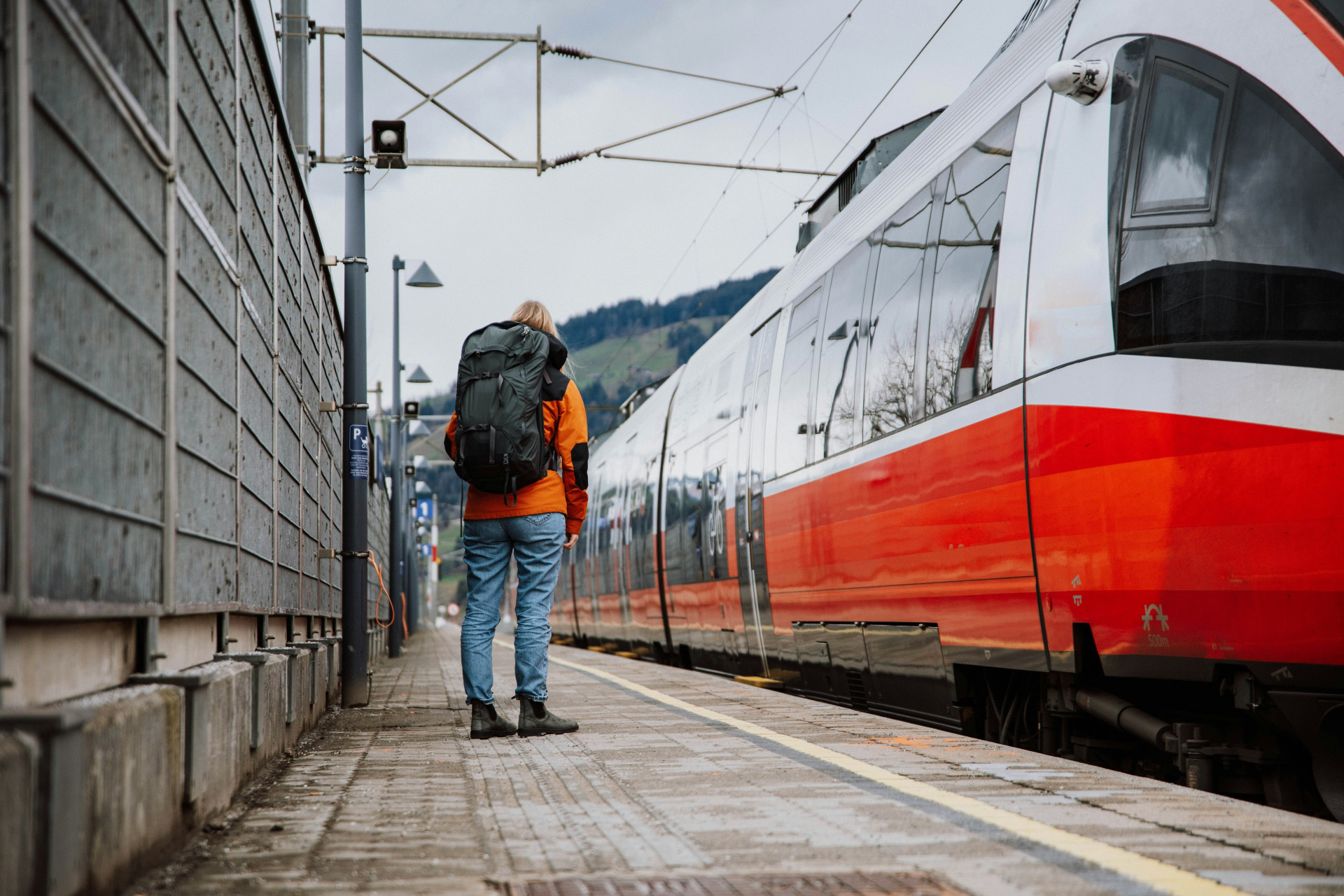
Many Americans think of train travel as limited to certain routes or regions, but in reality, trains can serve as the backbone of a flexible travel plan. When you combine rail with bikes, buses, car-sharing, or electric vehicles, you can reach almost any destination—without sacrificing comfort or convenience.
- Lower carbon emissions: Trains produce significantly less CO₂ per passenger mile than cars or planes.
- Less stress: Skip the traffic jams, parking hassles, and driver fatigue.
- More productive time: Use your travel time to read, work, or simply relax.
Combining transportation modes gives you the best of all worlds—efficiency, flexibility, and sustainability in one trip.
Læs også:




Train and Bike – The Perfect Pair
Bikes are an ideal complement to train travel, especially for short distances. Many Amtrak stations and regional rail systems now offer secure bike parking, and several routes allow you to bring your bike onboard for a small fee.
- Commuting: Bike to your local station, take the train into the city, and ride the last mile to work.
- Weekend getaways: Take the train to a scenic area and explore local trails by bike.
- E-bikes: With an electric bike, you can cover longer distances comfortably—perfect for mixed-mode travel.
Always check your train operator’s bike policy and reserve a spot if required.
Train and Car-Sharing – Flexibility Without Ownership
Car-sharing and rental services make it easy to combine train travel with driving when you need to reach destinations beyond the rail network. Many stations now have car-share vehicles or rental offices nearby.
- Vacations: Take the train to a major city, then rent a car for the final stretch to a national park or rural area.
- Business trips: Combine train and car-sharing to reach meetings in areas without public transit.
- Family visits: Travel most of the way by train and drive only the last few miles—saving both time and fuel.
More rental companies now offer electric or hybrid vehicles, allowing you to keep your entire trip eco-friendly.
Train and Bus – Seamless Connections
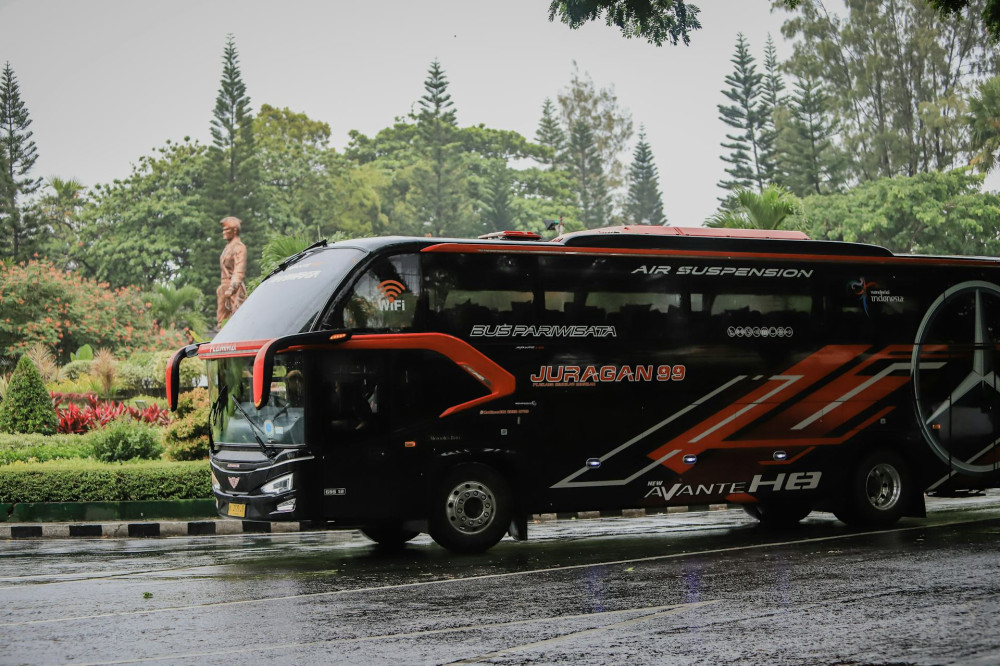
Buses naturally complement the rail network, especially in suburban and rural areas. Many regions are improving coordination between train and bus schedules, making transfers smoother and wait times shorter.
- Planning: Use apps like Google Maps, Moovit, or local transit planners to find combined routes.
- Integrated tickets: Some cities and states are introducing fare systems that work across trains and buses, simplifying your journey.
- Comfort: Modern buses often feature Wi-Fi and air conditioning, so you can continue working or relaxing after your train ride.
Thinking in terms of complete travel chains rather than single segments makes it easier to choose public transportation.
Train and Air – When Distance Demands It
Even for long-distance travel, trains can play a key role. Many major U.S. airports—such as those in Chicago, San Francisco, and Newark—are connected to rail systems, allowing you to avoid short-haul flights and reduce your overall carbon footprint.
- Examples: Take Amtrak or regional rail directly to airport terminals in cities like Philadelphia or Baltimore.
- Advantages: Skip parking fees and traffic by traveling straight from your home city to the terminal.
- Overnight options: For medium-distance routes, consider Amtrak’s overnight trains as an alternative to short flights—they save both time and a hotel stay.
By combining train and air travel, you can reach global destinations with a smaller environmental impact.
How to Plan Your Combined Trip
A successful multi-modal trip takes a bit of planning, but it’s easier than ever thanks to digital tools and improved infrastructure.
- Start with the train: Find your nearest station and see how far you can go by rail.
- Add other modes: Consider biking, buses, or car-sharing for the first or last leg of your journey.
- Use digital tools: Apps like Google Maps, Amtrak’s Trip Planner, and local transit apps help you build seamless routes.
- Balance time and comfort: Choose connections that fit your schedule and travel style—not just the fastest option.
Once you’ve tried combining transportation modes, you’ll discover how flexible and enjoyable it can be.
A Greener Future for Mobility
Combining trains with other transportation options isn’t just practical—it’s part of the future of sustainable mobility. Cities and states across the U.S. are investing in better connections, integrated ticketing, and green infrastructure that make eco-friendly travel easier.
As a traveler, you can help drive this change by choosing options that reduce your carbon footprint—without giving up freedom, comfort, or adventure.
Læs også: