Slowly Forward: Train Travel as a Conscious Lifestyle

Slowly Forward: Train Travel as a Conscious Lifestyle
In an age when flights can be booked in seconds and speed is often mistaken for progress, more Americans are rediscovering the beauty of slowing down. Train travel, once seen as a relic of the past, is finding new life as a mindful and sustainable way to move through the world. Taking the train isn’t just about getting somewhere—it’s about reclaiming the journey itself.
The Journey as an Experience
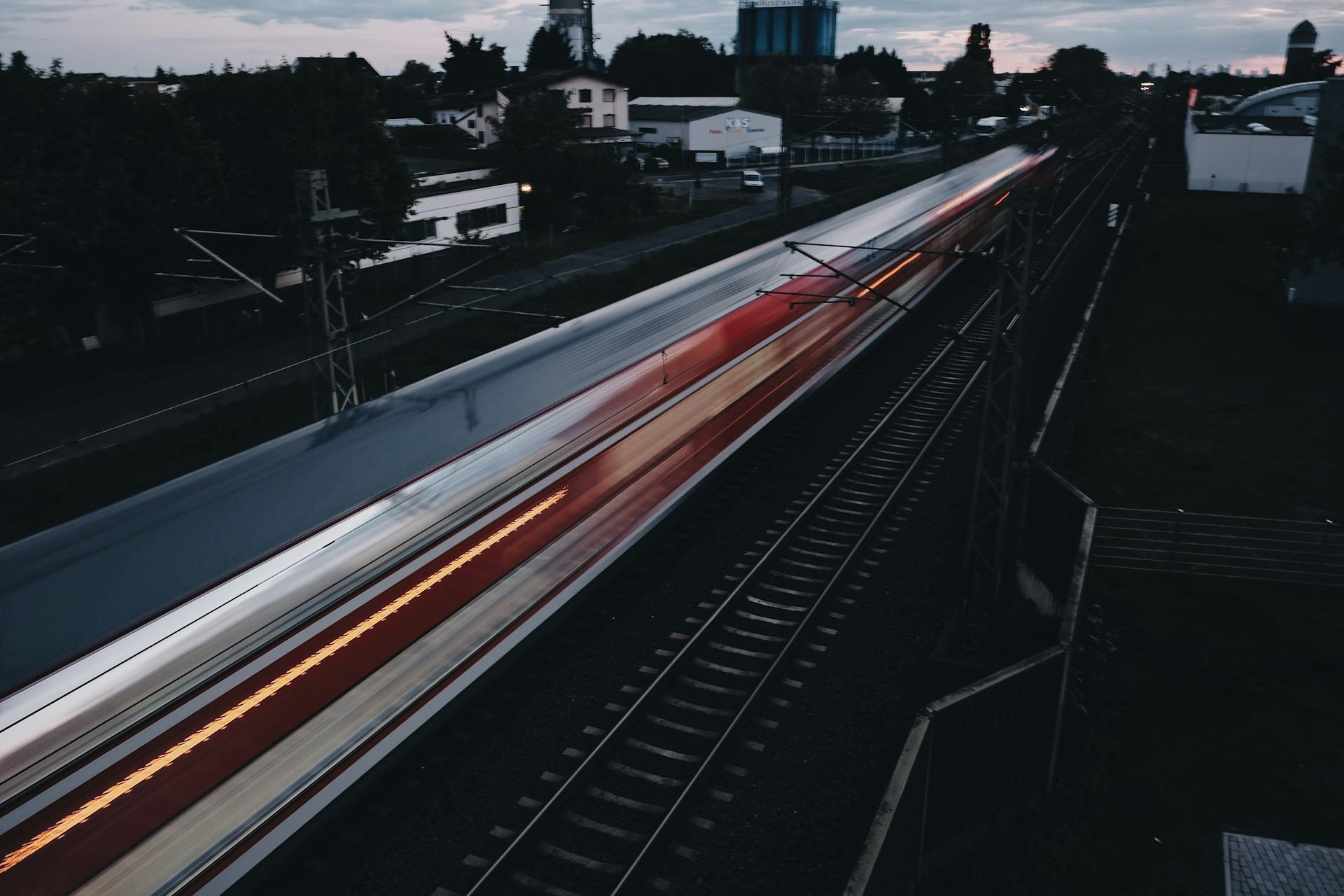
When you travel by train, the movement becomes part of the experience. The landscape unfolds at a pace that allows you to actually see it: forests, towns, rivers, and plains glide by in a rhythm that invites reflection. There are no long security lines, no cramped seats at 35,000 feet—just the steady hum of the rails and the freedom to read, write, or simply watch the world pass.
For many, that calm is what makes train travel special. It offers space to think, to breathe, to be present. Where air travel represents efficiency, the train represents awareness.
Læs også:



A Sustainable Choice
Choosing the train is also a choice for the planet. Compared to cars and planes, trains emit far less carbon per passenger mile. For travelers who want to reduce their environmental footprint without sacrificing comfort, rail travel offers a meaningful alternative.
In the United States, renewed interest in passenger rail is sparking investment in new routes and modernized infrastructure. Amtrak’s long-distance lines—like the California Zephyr from Chicago to San Francisco or the Empire Builder from Chicago to Seattle—offer not just transportation, but a moving panorama of the country’s vast and varied landscapes. It’s a way to see America in full, not just from above.
The Slow Movement on Rails
Taking the train fits naturally into the broader “slow living” movement—a response to the constant acceleration of modern life. Just as “slow food” celebrates the origins and enjoyment of a meal, “slow travel” celebrates the act of traveling itself. It’s about being present, not just productive.
Many train travelers describe a meditative rhythm that sets in once the wheels start turning. The gentle sway, the muted conversations, the changing light outside the window—all combine to create a sense of time that feels both expansive and grounded. It’s a rare kind of stillness in motion.
Practical Comforts and Small Rituals
Beyond its philosophy, train travel has practical advantages. There are no baggage fees, no middle seats, and no need to arrive hours early. You can bring your own food, stretch your legs, and enjoy wide windows that frame the scenery like a film in slow motion. The journey becomes part of the vacation rather than a hurdle to overcome.
Many travelers develop small rituals: a morning coffee in the café car, a journal reserved for train trips, a playlist that matches the rhythm of the rails. These habits turn travel into a personal ritual—an intentional pause in the rush of everyday life.
Train Travel Across America
The U.S. offers a surprising variety of train experiences. The Coast Starlight runs from Los Angeles to Seattle, tracing the Pacific shoreline and the Cascade Range. The Southwest Chief crosses deserts and canyons from Chicago to Los Angeles. On the East Coast, the Northeast Corridor connects Washington, D.C., New York, and Boston with speed and convenience, while regional lines like Vermont’s Ethan Allen Express or North Carolina’s Piedmont offer scenic alternatives to the highway.
Overnight trains, too, are making a quiet comeback. There’s something timeless about falling asleep to the rhythm of the rails and waking up in a new city. It’s travel that feels both nostalgic and forward-looking—a reminder that progress doesn’t always mean haste.
A Meaningful Way to Move
Choosing the train may not be the fastest option, but it can be the most meaningful. It’s a way to travel with intention—to care for the environment, to reconnect with time, and to rediscover the pleasure of the journey itself. When you board a train, you’re not just moving forward—you’re choosing to move consciously.
Slowly forward is not about idleness; it’s about awareness. It’s a way of traveling—and living—that allows us to experience the world at the pace it deserves.
Læs også: