Traveling with Children: Your Rights and Special Considerations


Traveling with Children: Your Rights and Special Considerations
Traveling with children can be both rewarding and challenging. Whether you’re heading to a sunny beach, a bustling city, or visiting family abroad, there are specific rules and practical matters every parent or guardian should know. From passports and consent forms to airline policies and travel insurance, here’s an overview of your rights and key considerations when traveling with children from the United States.
Passports, Consent, and Documentation
Every U.S. citizen, regardless of age, must have their own passport to travel internationally — even infants. Apply well in advance, as processing times can vary, especially before peak travel seasons. For children under 16, both parents or guardians must generally appear in person when applying for a passport, unless one parent provides notarized consent.
If you’re traveling alone with your child, or your child is traveling with grandparents or another adult, some countries may require a notarized letter of consent from the non-traveling parent(s). This helps prevent international child abduction and ensures smooth entry and exit at border controls. The U.S. Customs and Border Protection (CBP) also recommends carrying such a letter when re-entering the United States.
It’s also wise to bring copies of custody documents or birth certificates, especially if you and your child have different last names.
Air Travel: Rules and Passenger Rights
When flying with children, airlines have specific policies regarding tickets, seating, and safety.
- Infants (under 2 years old) can usually travel on an adult’s lap for a reduced fare, but you may also purchase a separate seat and use an FAA-approved car seat for added safety.
- Children (2 years and older) must have their own seat and ticket. Some airlines offer discounted child fares, though these vary.
- Strollers and car seats can typically be checked for free. You can often gate-check them so they’re available right after landing.
- Baby food, formula, and breast milk are exempt from the standard 3.4-ounce liquid rule at TSA security checkpoints. You may bring reasonable quantities, but they must be declared for inspection.
If your flight is delayed or canceled, you and your child have the same rights as other passengers under the airline’s contract of carriage. Airlines are expected to provide assistance such as meals, rebooking, or lodging when necessary, and families with young children should be given priority in re-accommodation.
Special Considerations During the Trip
Traveling with children requires extra planning and flexibility. A few thoughtful steps can make the journey smoother for everyone.
- Plan around your child’s needs. Avoid overly tight schedules and long layovers when possible. Direct flights can reduce stress.
- Pack entertainment. Books, coloring supplies, small toys, or downloaded movies can help pass the time.
- Prioritize health and safety. Bring a small first-aid kit, any necessary medications, and copies of prescriptions. Check whether your health insurance covers you abroad or if you need additional travel insurance.
- Mind the climate and time zones. Children can be more sensitive to heat, cold, and jet lag. Keep them hydrated and allow time to adjust.
Travel Insurance and Trip Cancellation
A comprehensive travel insurance policy is especially important when traveling with children. It should cover medical emergencies, trip interruptions, and evacuation if needed. Some policies automatically include children under a certain age at no extra cost, but always confirm the details.
If your child becomes ill before departure, trip cancellation coverage can help you recover nonrefundable costs — provided you have documentation from a healthcare provider.
Læs også:



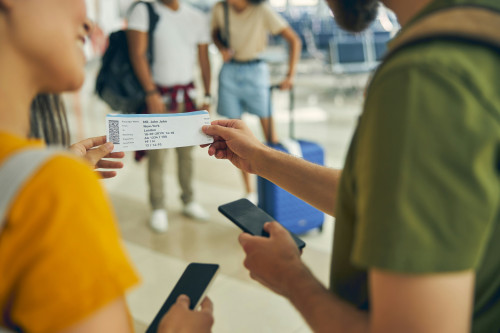
When a Child Travels Without Parents
Many minors travel alone for school programs, sports events, or to visit relatives. In these cases, it’s essential to understand the rules.
Most airlines offer an “unaccompanied minor” service for children traveling alone, typically required for those under 12 and optional for older minors. The service includes supervision by airline staff from check-in to arrival, and a designated adult must meet the child at the destination. Fees and age limits vary by airline.
Ensure the child carries copies of their passport, travel insurance, and emergency contact information. The adult meeting the child should have valid identification and authorization to pick them up.
Making the Journey Enjoyable and Safe
Traveling with children isn’t just about paperwork and logistics — it’s about creating shared experiences. Once the practical details are handled, you can focus on what matters most: enjoying the journey together.
Involve your children in planning by letting them choose an activity or destination. Build in time for rest and play, and keep expectations flexible. With preparation and patience, traveling with children can be a joyful adventure that helps them see the world with curiosity and confidence.
Læs også: